Inside a Modern Aluminum Foundry: What Happens From Melting to Last Examination
Inside a modern-day aluminum shop, the improvement of resources right into completed products is a facility and systematic procedure. Each phase, from selecting the appropriate alloys to final examinations, plays a vital role. Knowledgeable operators and advanced innovation operate in harmony to assure top quality and precision. As the journey unravels, the intricate actions expose the meticulous care required to meet sector requirements. What technologies and difficulties wait for in this important production domain name?
The Raw Products: Understanding Light Weight Aluminum Alloys
Aluminum alloys act as the foundation for the contemporary light weight aluminum foundry process, using a functional variety of residential properties tailored for different applications. These alloys are mostly made up of light weight aluminum, with various other elements like copper, silicon, magnesium, and zinc added to boost particular attributes. Each alloying component contributes one-of-a-kind attributes, such as enhanced stamina, improved deterioration resistance, or boosted machinability.
The category of light weight aluminum alloys is normally separated into two categories: functioned and cast. Wrought alloys are refined via mechanical methods, while cast alloys are created by pouring molten metal into molds. The selection of alloy depends on the intended usage, with some alloys maximized for high-performance aerospace elements, while others are fit for vehicle applications. Recognizing the structure and qualities of these alloys is necessary for suppliers to satisfy the rigid demands of modern-day engineering and design demands.
Melting Process: Changing Solid to Liquid
The melting procedure is an important step in the light weight aluminum factory, where solid aluminum alloys are changed right into a liquid state to assist in spreading. This improvement begins with the careful selection of resources, adhered to by their positioning in a heater created to accomplish heats. Factories normally utilize either induction or reverberatory furnaces, each offering distinct benefits for melting performance and energy consumption.
As the solid light weight aluminum heats up, it undergoes a stage modification, with the temperature level very closely kept an eye on to guarantee also melting. Contaminations and oxides are often gotten rid of during this stage, boosting the high quality of the liquified aluminum. The process needs competent operators who handle the furnace conditions, making certain the alloy gets to the desired temperature level and composition. When the aluminum is totally melted, it awaits the following phase, making it possible for precise spreading that satisfies strict sector criteria.
Pouring Techniques: Precision in Every Decrease
Pouring liquified aluminum right into molds needs thorough precision to ensure that each decline fills up the cavity consistently and properly. Numerous techniques are used to acquire this level of precision, with each method tailored to certain spreading demands. The pouring process is commonly guided by the use innovative equipment, such as automated pouring systems, which ensure constant circulation prices and temperatures.
Furthermore, operators keep an eye on the thickness of the liquified light weight aluminum, as variations can greatly affect how well the metal fills complex mold and mildew layouts. Aluminum Casting Company. The angle and elevation where the aluminum is poured are additionally important elements; incorrect pouring can result in issues such as air pockets or incomplete fills up
To reduce these dangers, competent professionals make use of technique and experience, readjusting their methods based on real-time comments. In general, the combination of sophisticated modern technology and human knowledge is important for attaining perfect pouring cause modern light weight aluminum shops.
Molding Approaches: Shaping the Future
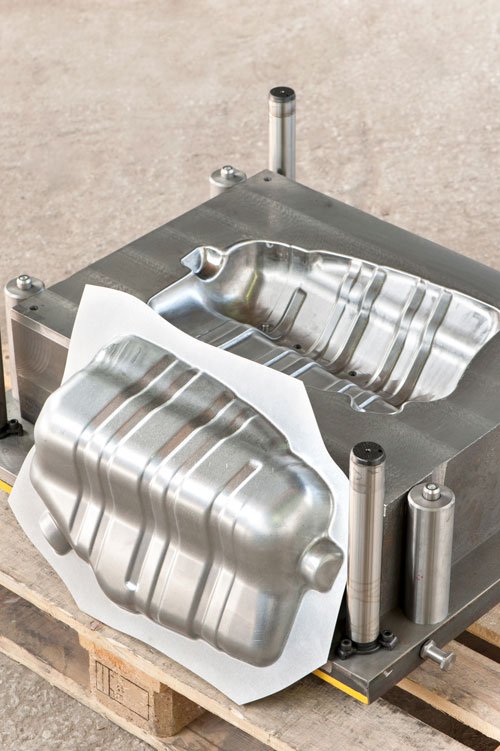
Molding methods play a vital duty in the aluminum shop procedure, influencing both top quality and performance. Among the primary strategies are sand spreading and die spreading, each offering distinct advantages for numerous applications. Comprehending these methods is crucial for forming the future of aluminum production.
Sand Casting Methods
Although sand casting has been an essential method in metalworking for centuries, its cutting-edge applications remain to advance, shaping the future of the aluminum factory process. This functional method entails developing mold and mildews from sand, which can be conveniently shaped and reused, making it economical for large manufacturing. Modern innovations have actually improved the accuracy and effectiveness of sand spreading, enabling for complex geometries and reduced lead times. Strategies such as cool box and no-bake sand casting are obtaining popularity due to their capability to generate top notch molds with boosted surface area coatings. In addition, the integration of computer-aided style (CAD) and simulation software assists in maximized mold and mildew style, better fine-tuning the spreading process and ensuring consistent top quality in aluminum parts.
Die Spreading Processes
Cooling and Solidification: From Liquid to Strong
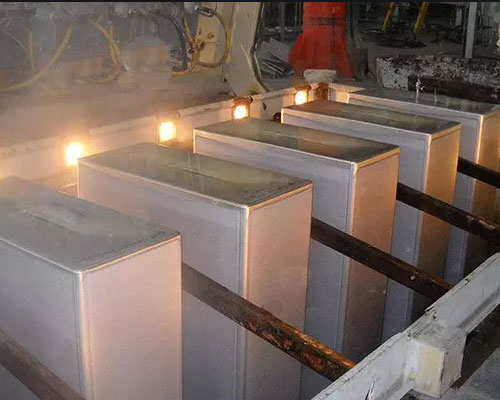
The shift from liquid to solid in the light weight visit homepage aluminum shop process is a vital stage that substantially affects the last buildings of the actors item - Aluminum Foundry. When the molten aluminum is poured right into mold and mildews, it begins to shed warmth, initiating the cooling procedure. The temperature level decrease creates the light weight aluminum atoms to lose power and organize themselves right into a solid lattice structure. This adjustment takes place at details temperatures, called the solidification array, which varies depending on the alloy make-up
Cooling prices play a considerable function; quick air conditioning can result in finer microstructures, enhancing toughness, while slower cooling might lead to coarser grains and lowered mechanical properties. Furthermore, the design of the mold and mildew and the thickness of the castings impact cooling down rates. Appropriate control of these specifications assurances uniform solidification, minimizing defects such as porosity or warping. This stage ultimately determines the integrity and performance of the completed aluminum element.
Completing Processes: Achieving Perfection
The ending up procedures in light weight aluminum factory procedures play an important duty in enhancing the final item's appearance and performance. Surface therapy techniques, such as anodizing and polishing, are necessary for achieving wanted functional and aesthetic top qualities. Furthermore, executing stringent quality assurance measures guarantees that each element fulfills sector criteria and specifications.
Surface Therapy Strategies
While achieving a remarkable surface in light weight aluminum factory procedures is vital, the option of ideal surface area treatment strategies plays a necessary role. Numerous approaches are used to enhance the corrosion, appearance, and durability resistance of light weight aluminum elements. Anodizing, for example, includes developing a protective oxide layer that boosts resistance to put on and enhances aesthetic appeal. Another technique is powder finish, which not just offers a robust surface yet also permits a range of structures and shades. Furthermore, chemical polishing can be made use of to achieve an intense, reflective surface. Each of these therapies serves to enhance the total high quality and longevity of the completed item, making certain that elements satisfy the rigid demands of their intended applications.
Top Quality Control Procedures
Ensuring the best in aluminum foundry processes demands rigorous top quality control steps throughout the ending up stages. These actions consist of complete examinations at each manufacturing phase, where experienced employees examine surface area stability and dimensional precision. Advanced methods such as non-destructive screening (NDT) are employed to find potential defects without compromising the product's structure. Additionally, chemical evaluation is carried out to validate the alloy composition, guaranteeing it meets defined requirements - Aluminum Casting Company. Monitoring devices calibrations and maintaining specific temperature controls during procedures like plating better enhance high quality. Final inspections include evaluating aesthetic aspects, such as surface area coating and shade consistency. By carrying out these considerable quality assurance steps, shops can assure customers of the integrity and toughness of their light weight aluminum products
Quality Assurance: Making Certain Specification Are Met
Quality assurance plays an essential Find Out More role in the aluminum shop procedure, as it straight impacts product honesty and efficiency. Each stage of manufacturing is diligently monitored to assure compliance with market criteria and requirements. This starts with resources evaluation, where the top quality of aluminum ingots is validated for pureness and structure. Throughout the melting stage, temperature level and alloy ratios are very closely regulated to accomplish ideal results.
As molten light weight aluminum is poured into molds, professionals carry out aesthetic assessments to recognize any kind of issues, such as air bubbles or imbalances. After cooling down, spreadings go through dimensional checks using accurate measuring instruments to verify they satisfy needed tolerances.
Ended up items are subjected to extensive screening, consisting of mechanical and chemical analyses, to confirm their resilience and performance capacities. This extensive quality assurance procedure guarantees that each part not only meets yet exceeds client expectations, enhancing the factory's credibility for excellence.
Regularly Asked Inquiries
What Safety Procedures Are Carried Out in a Light Weight Aluminum Shop?
Precaution in a light weight aluminum foundry consist of safety equipment, air flow systems, fire suppression tools, regular security training, risk interaction, and strict adherence to procedures to avoid crashes and guarantee the health of all employees.
Exactly How Is Waste Managed Throughout the Light Weight Aluminum Spreading Refine?
Waste monitoring during the light weight aluminum casting procedure involves reusing scrap aluminum, effectively disposing of dangerous materials, and utilizing dirt collection systems. These measures help minimize environmental effect while making sure reliable resource usage throughout production.
What Kinds of Machinery Are Utilized in Modern Foundries?
Exactly How Are Light Weight Aluminum Alloys Selected for Specific Applications?
Aluminum alloys are chosen based upon mechanical homes, rust resistance, thermal conductivity, and weight requirements. Engineers examine application needs, conducting examinations and assessments to assure peak performance and compatibility with the intended use the last item.
What Certifications Do Factories Required to Operate Legally?
Foundries should get various accreditations to operate lawfully, consisting of ISO, ASTM, and industry-specific standards. These accreditations assure compliance with security laws, quality control, and ecological administration, promoting trust fund important source among clients and adherence to legal requirements.
Light weight aluminum alloys offer as the foundation for the contemporary light weight aluminum factory process, offering a functional variety of residential or commercial properties tailored for different applications. The melting process is an important action in the light weight aluminum factory, where solid light weight aluminum alloys are changed into a liquid state to assist in spreading. Sand spreading has actually been a basic technique in metalworking for centuries, its ingenious applications continue to progress, forming the future of the light weight aluminum foundry procedure. Making sure the highest possible high quality in aluminum factory procedures necessitates rigorous quality control steps throughout the completing phases. Waste administration throughout the aluminum spreading procedure entails reusing scrap light weight aluminum, appropriately disposing of hazardous materials, and employing dust collection systems.